

Shuckstack #39
July 2026

A Letter from Ada Nemesis
My increasingly unreasonable readers,
Last month, in a moment of weakness, I permitted my nephew Percival to contribute to this publication.
The intention was that he should gain experience, but the outcome appears to have been popularity.
Readers have written in support of him, some have requested further reports. One or two seem positively pleased by his presence.
I find this mildly irritating.
Still, it has afforded me a little respite during the hottest weeks of the year, a season I have always regarded with suspicion. Summer encourages entirely too much sunlight, activity and optimism. Even the ghosts seem less committed.
While Percival has been investigating haunted houses, buried treasure, devil-proof architecture and a creature in Suffolk that appears unable to decide whether it is a dog, a monkey or a gargoyle, I have been occupied with fairies.
As for Shuck Eight, progress continues. Certain individuals have suggested I have been saying this for some time.
To them I would point out that the seasons are also progressing and nobody stands in a field shouting at autumn to hurry up.
Fortunately, Midsummer has now passed and the days have already begun their slow journey back towards darkness, which I consider one of the year’s more encouraging developments.
Until next month, avoid bargains with fairies, be wary of large unexplained animals and remember that darkness, unlike deadlines, always arrives precisely when expected.
Ever yours,
Ada Nemesis
I am Percival Nemesis, temporary assistant editor, occasional correspondent and, somewhat alarmingly, now a recurring feature of this publication. I originally joined as a work experience student under the supervision of my aunt. Several months later, I remain here. Whether this reflects satisfaction with my work or simply a reluctance to complete the necessary paperwork remains unclear. My duties include investigating ghosts, black dogs, mysterious creatures and other matters of public importance. I perform these duties entirely without payment, a circumstance my aunt insists is “good experience” and I increasingly suspect is “free labour.”
I hope you enjoy my work. It is currently my only form of compensation.
Singular agricultural treasure reported beneath Belton Common
By Percival Nemesis, Rural Antiquities Correspondent, Temporary Barrow Inspector and Advocate for Responsible Treasure Burial
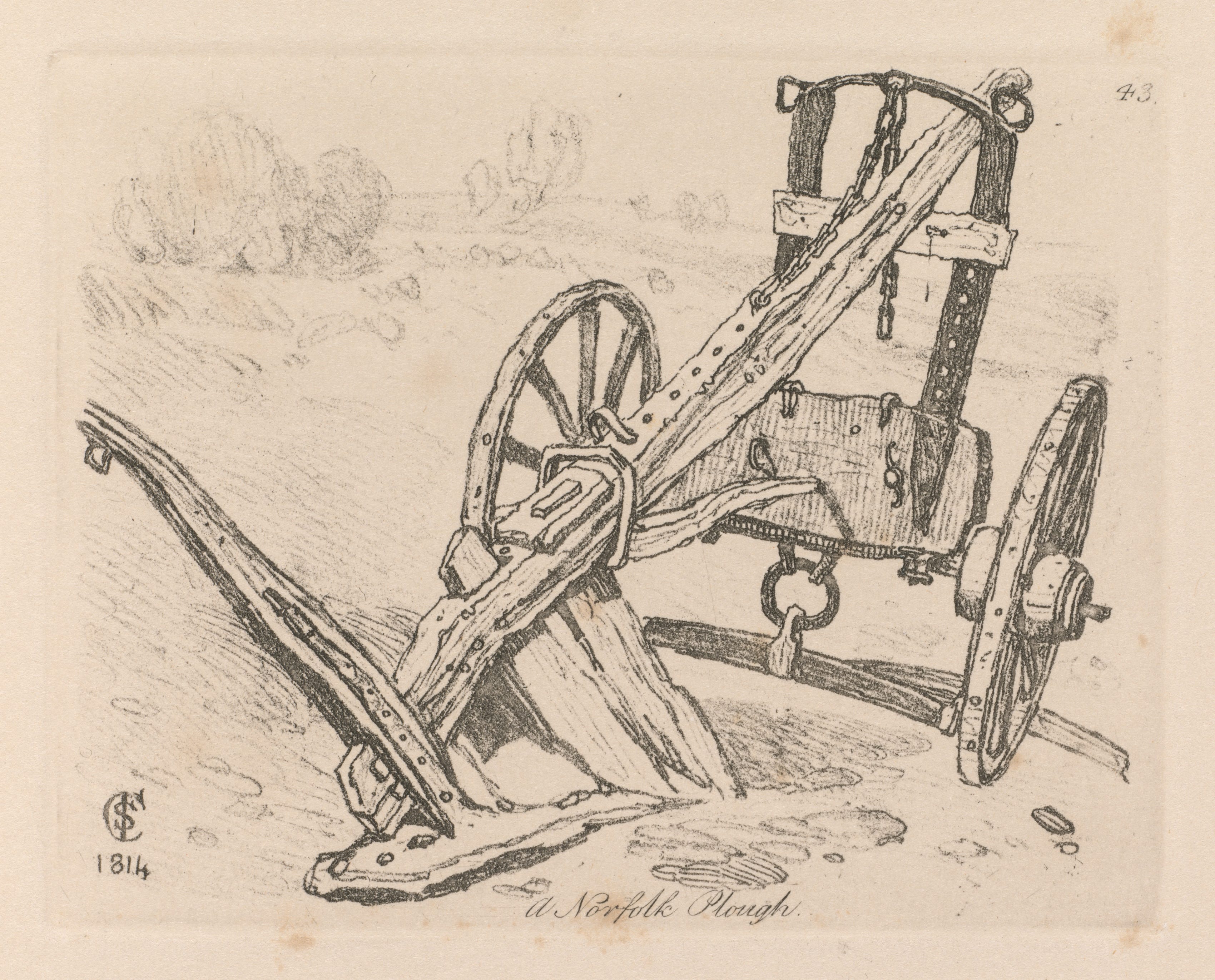
Residents of Belton may be interested to learn that a curious report once attached itself to Mill Hill, a mound upon Belton Common, concerning the alleged burial of an object of considerable value beneath the earth.
Not a crown, not a chest of gold, not even the remains of a long-forgotten monarch: a plough. A golden plough.
The tradition, though fragmentary, maintains that this remarkable agricultural implement lay concealed within the hill, awaiting discovery by persons sufficiently fortunate, determined or optimistic to locate it.
No reliable account survives of who buried the plough, when it was interred, or indeed why anyone should choose to hide an item whose primary purpose is to drag through mud.
Nevertheless, local belief insisted it was there.
Mill Hill itself presents an air of mystery: some authorities have suggested the mound may be of considerable antiquity, perhaps even prehistoric in origin, while others believe it later served as the site of a windmill.
Either way, it has occupied its position upon the landscape for centuries, quietly encouraging speculation.
Ancient mounds have long attracted treasure stories.
Throughout Britain, barrows are said to conceal kings, giants, warriors, silver, gold, enchanted objects and, on one memorable occasion, an entire army awaiting the proper moment to awaken.
Yet the Belton treasure remains unusual.
Most communities dream of royal riches but Belton, it would appear, dreamt of farm equipment. This may tell us something important.
A crown speaks of power, a sword speaks of war but a plough speaks of prosperity.
For generations, the wealth of Norfolk was measured not in jewels but in harvests, because a successful plough could feed a family while a failed one could ruin them.
So to agricultural communities, there were few objects more valuable, because the golden plough represented a memory of abundance and a lesson about the importance of the land.
Or perhaps somebody, many centuries ago, looked at an old hill and invented a story to explain why nobody had yet dug it up. As one does.
Whatever the truth, the legend survives, and somewhere beneath the grasses of Belton Common, according to local tradition, there may still rest Norfolk’s most practical treasure.
Should any reader discover a golden plough whilst out walking, this correspondent would be grateful for notification.
Particularly given the current cost of farming equipment.
Extraordinary architectural difficulties reported at Bodham
By Percival Nemesis, Circular Buildings Correspondent, Occasional Devil Tracker and Advocate for Sensible House Shapes
Residents of Bodham may be familiar with the village’s celebrated Round House, a building whose unusual design is said to owe less to architectural fashion and more to supernatural interference.
According to local tradition, the house was originally intended to possess the standard four walls expected of a respectable Norfolk dwelling.
Unfortunately, Old Nick had other ideas.
Night after night, Old Nick reportedly reduced the builders’ efforts to rubble. While builders are celebrated for their serenity, patience and reluctance to use colourful language, even these admirable qualities have limits.
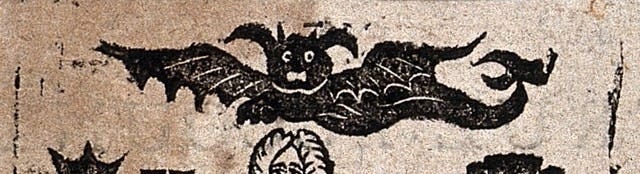
This arrangement proved unsatisfactory for all concerned, particularly the builders, who were being paid to construct a house rather than repeatedly watch one disappear.
Faced with a situation that was becoming increasingly theological, the builders decided a change of strategy was required.
If the Devil objected to four walls, they would build none: so they constructed the house in a circle.
Remarkably, this appears to have worked.
Whether Old Nick was genuinely confused by the absence of corners, became disorientated whilst attempting to locate the front of the building, or simply concluded that the occupants had become too peculiar to bother with remains unclear.
What is certain is that the Devil reportedly abandoned his campaign and departed the area.
The house remains to this day.
As methods of dealing with the Prince of Darkness go, it compares favourably with exorcisms, holy relics and prolonged theological debate.
Sometimes the answer is simply to build something so odd that even the Devil decides it is not worth the effort.
One suspects Norfolk has relied upon this strategy more than once.
Another Report on the Progress of Shuck Eight
By Percival Nemesis, Temporary Assistant Editor, Acting Deadline Observer and Victim of Repeated Enquiries
It has been brought to my attention, repeatedly and by a frankly exhausting number of people, that readers would like another update on the progress of Shuck Eight.
I would respectfully point out that I already provided an update.
The existence of a previous update would, in most fields, imply that the matter had progressed sufficiently not to require another one. Yet here we are.
Readers continue to stop me in the street, write letters and, on one memorable occasion, corner me beside a tray of sandwiches to enquire whether the forthcoming fairy edition of Shuck has finally appeared.
It has not.
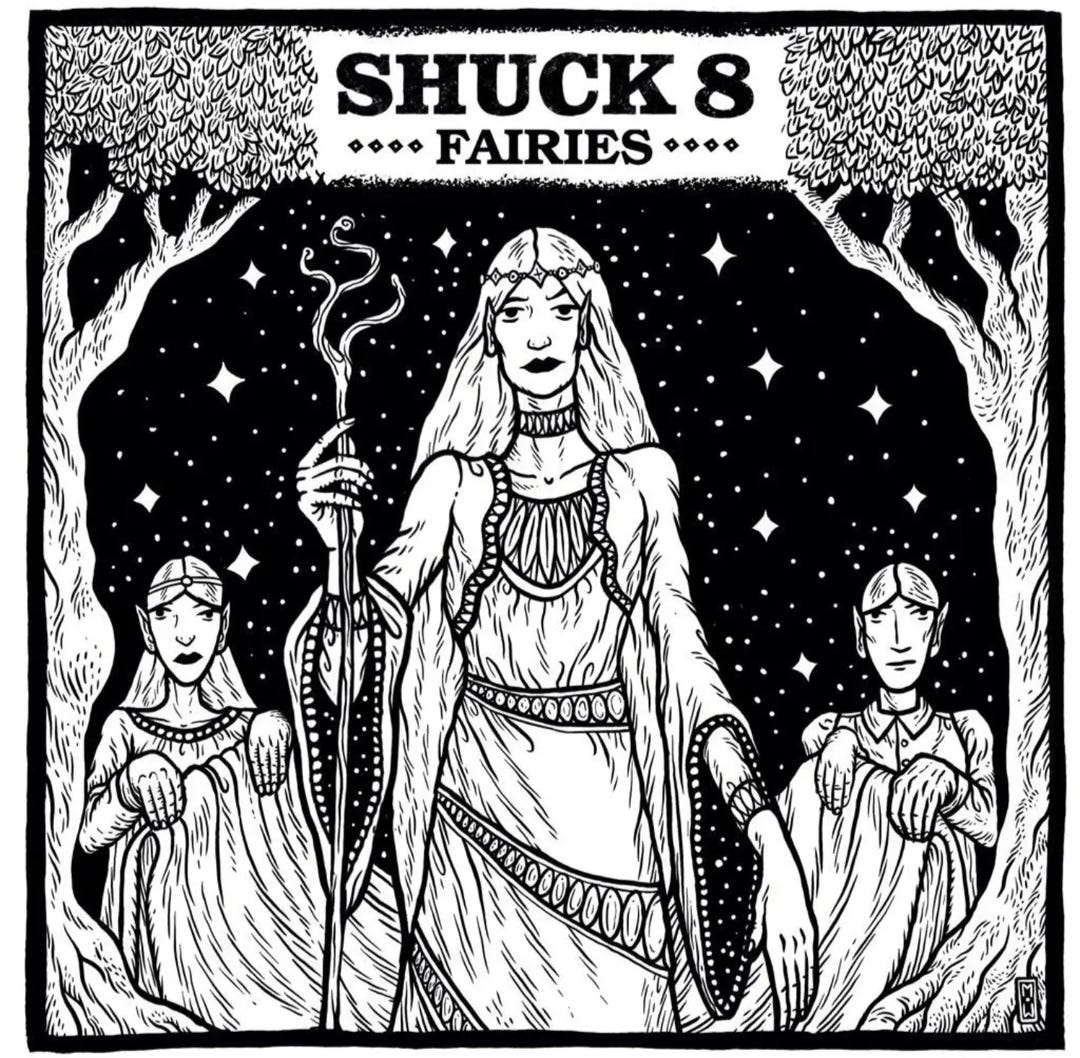
This is particularly frustrating because the people asking the questions are often not responsible for producing the magazine.
Unlike certain other individuals. Nevertheless, I have once again undertaken the considerable burden of investigating the matter.
I can report that Shuck Eight continues to exist: I know this because I have seen it.
Indeed, I have seen so much of it that I am beginning to suspect it may now be longer than some recognised religious texts.
Articles have been written, illustrations have been completed, research has been conducted, the final interview has been completed, layouts have been assembled.
At this point, one might reasonably expect a magazine to emerge.
And yet.
Editor’s note. Percival, this is NOT what I asked for. Please see me. Aunt Ada.
Unexplained Vocal Disturbances Reported at Ancient Gillingham Residence
By Percival Nemesis, Rural Apparitions Correspondent, Temporary Marsh Historian and Observer of Unoccupied Doorways
Residents of Gillingham may be interested to learn of persistent reports concerning Winston Hall, an ancient farmhouse situated
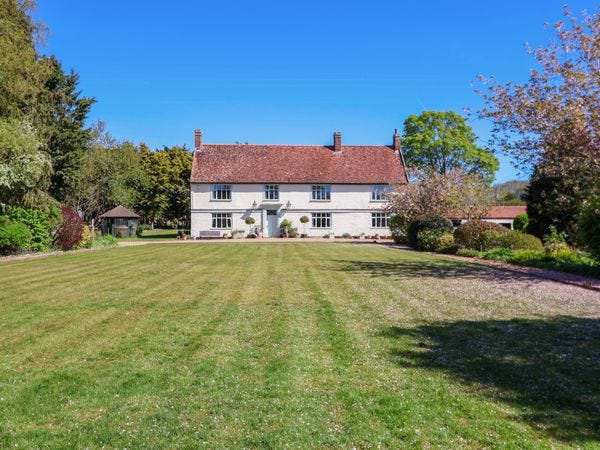
near the old rectory and reputed by many to be among the most haunted residences in the district.
Unlike many ghosts, however, the alleged inhabitants appear reluctant to show themselves.
Witnesses report no spectral ladies gliding down staircases, nor headless noblemen wandering through walls. Instead, the manifestations are chiefly auditory.
Most commonly, a rustling sound resembling a lady in a stiff silk dress is heard progressing along a corridor at the rear of the house. At other times, heavy footsteps are reported during the night.
Most curious of all is a voice heard from an old external doorway, now little used.
“Are you there?” it asks.
The natural response, of course, is to investigate.
Yet those who do so reportedly find nobody present.
The ghost, if ghost it be, appears to favour conversation whilst objecting strongly to interviews.
The Hall itself is of considerable antiquity. Tradition maintains that Richard Cromwell, son of Oliver Cromwell and briefly Lord Protector of England, once lived there after retiring from public life. The old walled garden contains blocked-up doors and windows, together with brickwork bearing what appears to be the date 1661.
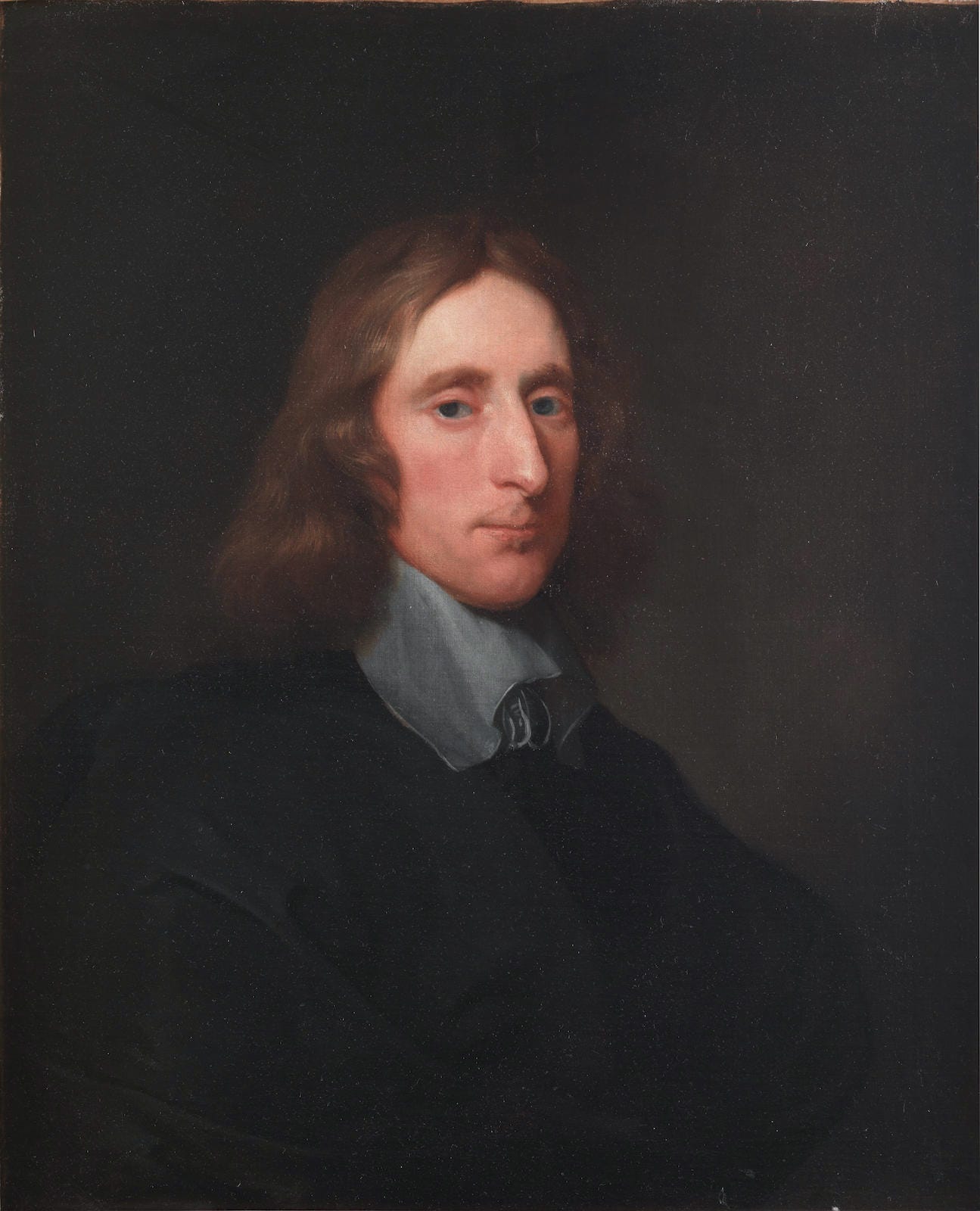
One cannot help feeling that a building containing sealed doorways, vanished occupants and unexplained voices is making a determined effort to encourage speculation.
The surrounding area possesses an equally curious history. Winston itself was once a separate parish before being absorbed into Gillingham in the fifteenth century, joining neighbouring Windell in the ranks of Norfolk’s lost villages. Both possessed churches dedicated to St Andrew, though neither church survives.
Indeed, much of the landscape seems haunted by absence.
Entire villages have vanished. Ancient estuaries have retreated. Ferries have become roads. Marshes once crossed by boat are now crossed by motorcars.
In the great floods, cattle were reportedly swept downstream as far as Beccles, where they were recovered and revived with brandy, a treatment this correspondent suspects would improve the spirits of most creatures, this one included.
Whether the sounds at Winston Hall originate from a restless former resident, a forgotten inhabitant of one of the lost parishes, or merely the natural creaks and sighs of a very old building remains uncertain.
What is certain is that if a voice should call “Are you there?” from the old doorway, the safest response may be to pretend one has not heard it.
Particularly after dark.
Shucks of (near) Norfolk (actually Suffolk): The Rendlesham Shug Monkey
By Percival Nemesis, Recorder of Black Dogs, Temporary Ape Correspondent and Firm Believer That Animals Should Make Up Their Minds What They Are
Readers of this series may reasonably expect that a column entitled Shucks of Norfolk would concern itself with Norfolk.
This month, regrettably, we must cross the border into Suffolk: I apologise for the inconvenience.
Our destination is Rendlesham Forest, already notorious for unusual happenings and best known for attracting everything from mysterious lights to enthusiastic alien enthusiasts.
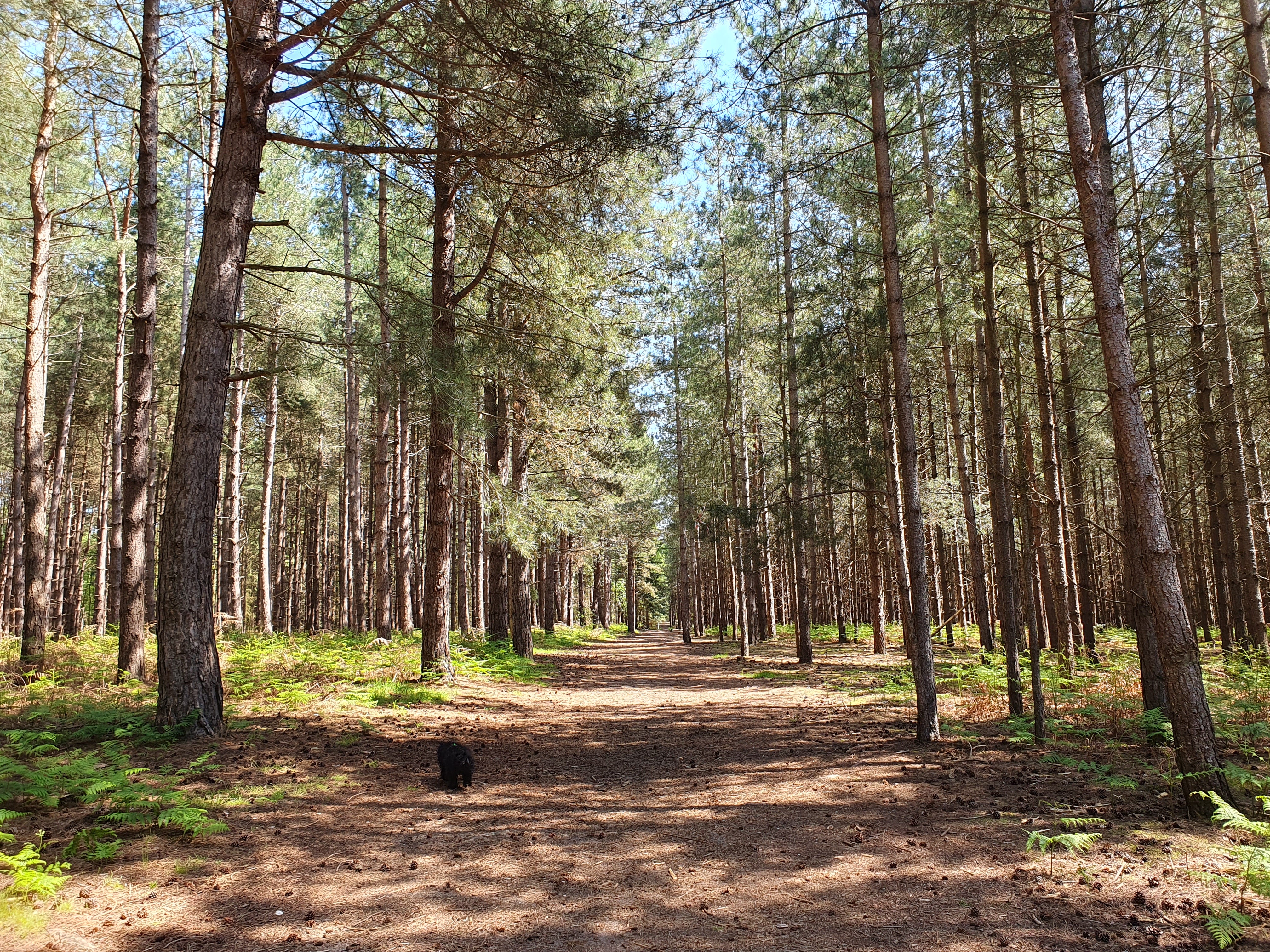
Yet among the pine trees lurks something perhaps even stranger: not a black dog, not a monkey, but something entirely of itself.
The creature in question is known as the Shug Monkey, a name which sounds faintly ridiculous until one encounters a description of the beast itself.
In January 1956, a local man named Sam Holland was walking through the forest with his spaniel when he observed an enormous black creature approximately forty feet ahead.
At first glance he struggled to identify it, which, as you read on, will not be surprising.
The animal appeared to possess the body of a giant dog, the muscular build of a lion, the face of a gorilla and the general demeanour of something that ought not to be wandering around the Suffolk countryside.
It was reportedly around 10ft long (readers familiar with ordinary monkeys will appreciate that this exceeds the recommended dimensions by a considerable margin).
Holland described thick black fur, huge jaws, flared nostrils and intelligent eyes. As the creature stared at him, his dog reportedly began to whimper, which seems an entirely sensible reaction.
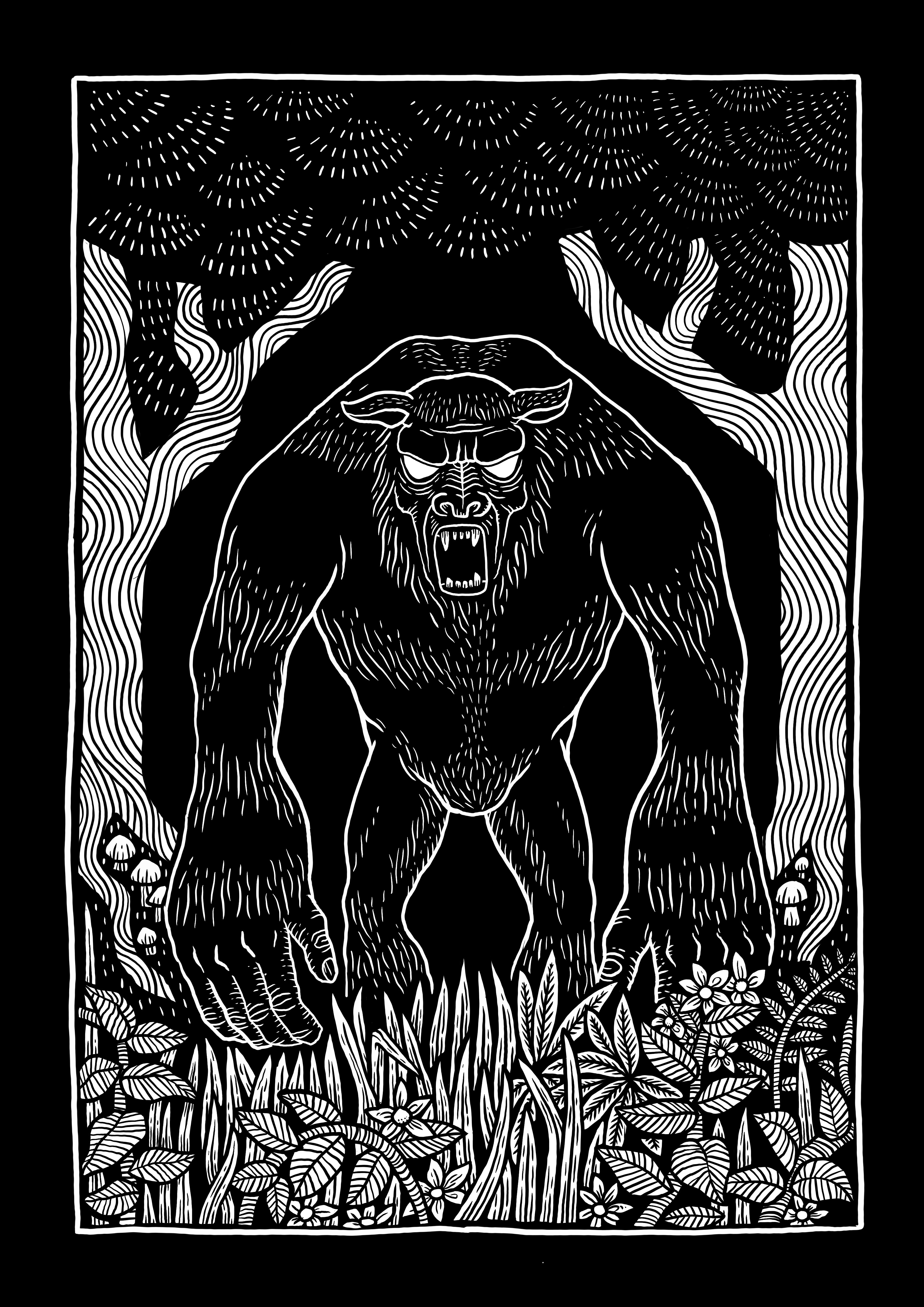
Indeed, it was considerably more sensible than standing one’s ground and continuing to examine the thing, which Holland nevertheless proceeded to do.
After a prolonged staring contest, the beast simply turned and disappeared into the forest.
Seven years later, in the same area, another witness named Peggy Cushing reported seeing an almost identical creature.
So far, so ordinary: except then it transformed into a winged gargoyle and flew away.
At this point, the investigation becomes challenging – one can compare a mysterious animal to a dog, a bear or an ape, but comparisons become more difficult once it starts changing shape and taking to the air.
Local tradition suggests the Shug Monkey has haunted the forests of East Anglia for generations.
One Suffolk police constable described it as a cross between a large rough-coated dog and a monkey, adding that it sometimes walked upright and at other times raced along on all fours.
Children were reportedly warned to avoid its favourite haunts after dark.
This advice seems entirely reasonable.
The name itself may derive from the same ancient root as Black Shuck, East Anglia’s famous spectral hound. If so, the Shug Monkey may represent a distant cousin in the ever-expanding family of East Anglian nightmares.
Whether the creature is a phantom dog, an oversized ape, a werewolf, an undiscovered species or simply Black Shuck having an experimental phase remains uncertain.
What is certain is that if you encounter a 10ft gorilla-dog-lion-gargoyle whilst walking through Rendlesham Forest, it may be prudent to follow the example of Mr Holland’s spaniel.
A little nervous whimpering is perfectly justified.
Most delightful read! I severely resonate with the sense of humour, and found all themes quite fascinating. Looking forward to Shuck 8, in its due time of course! Until then, I hope to see more of Percival's journalistic adventures.